
Hurricane Season Door & Lock Prep for Lake Mary Homes
Resource Guide · Lake Mary, FL
Hurricane Season Door & Lock Prep for Lake Mary Homes
When a storm is on the way, most of us think about shutters, sandbags, and supplies. Your doors and locks deserve a spot on that checklist too. A deadbolt that does not throw fully, a strike plate held by short screws, or a garage door without proper bracing can turn a survivable storm into unnecessary damage.
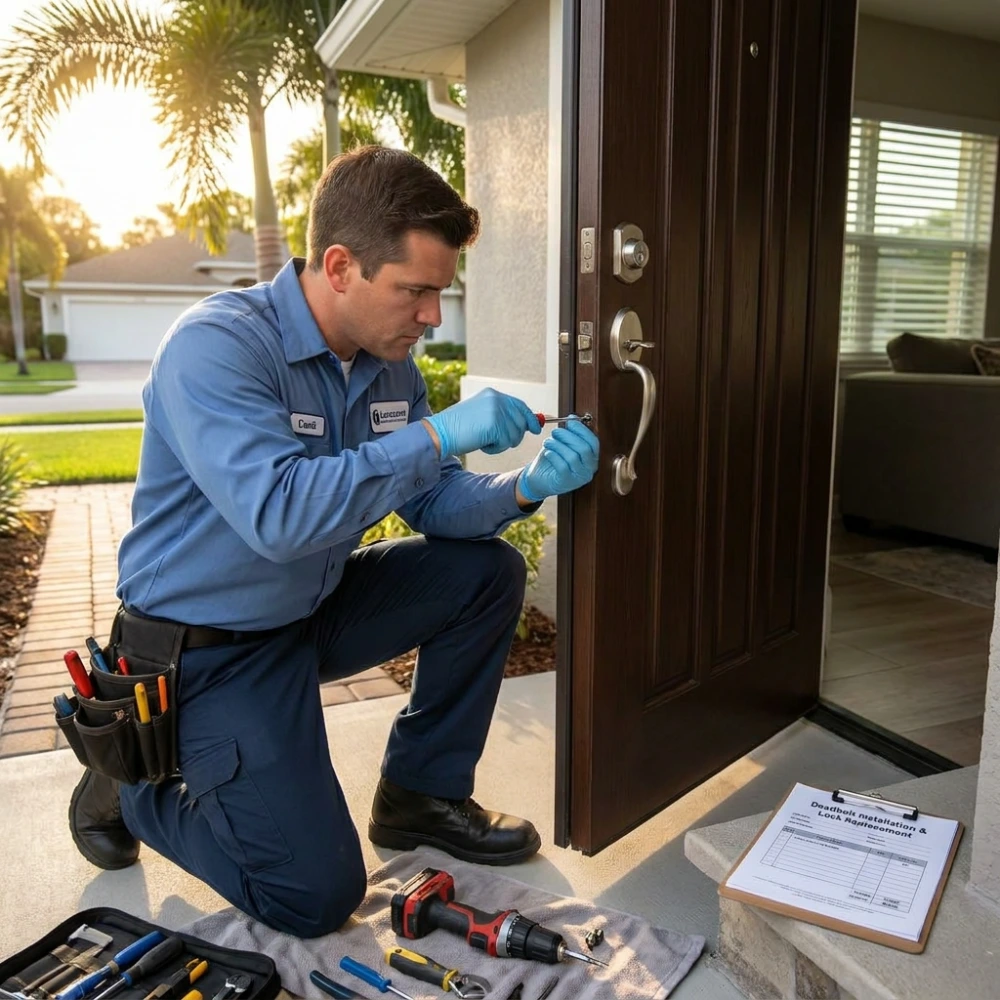
This guide walks through practical, calm door and lock preparation for hurricane season — what to check now, what to fix before June, and what to do if a lock seizes up after a storm passes through. If anything below sounds like your home, deadbolt installation and reinforcement is a quick pre-season job.
What should I do to my doors and locks before hurricane season?
Make sure every deadbolt throws fully and smoothly, reinforce your strike plates with long screws anchored into the door frame’s studs, check that sliding doors and French doors latch securely, and have any binding or sticking doors serviced before storm season arrives. Garage doors are the biggest vulnerability — consider bracing or upgrading if yours is an older lightweight model.
Do this in May, not when a storm is already in the forecast. Once the wind picks up, the time for adjustments is over — and after the storm, never force a lock that has seized; corrosion and debris are the usual causes, and forcing it will break the key.
Pre-Season Door & Lock Checklist
Test every deadbolt
Close each exterior door and throw the deadbolt with the door both open and closed. It should extend fully into the strike with smooth resistance and no grinding. If the bolt scrapes or only throws partway, the door or strike plate is misaligned — a common Florida issue as wooden doors swell in humidity. Misalignment is a pre-season fix, because a bolt that does not fully engage offers far less protection when wind pressure slams a door.
Reinforce your strike plates
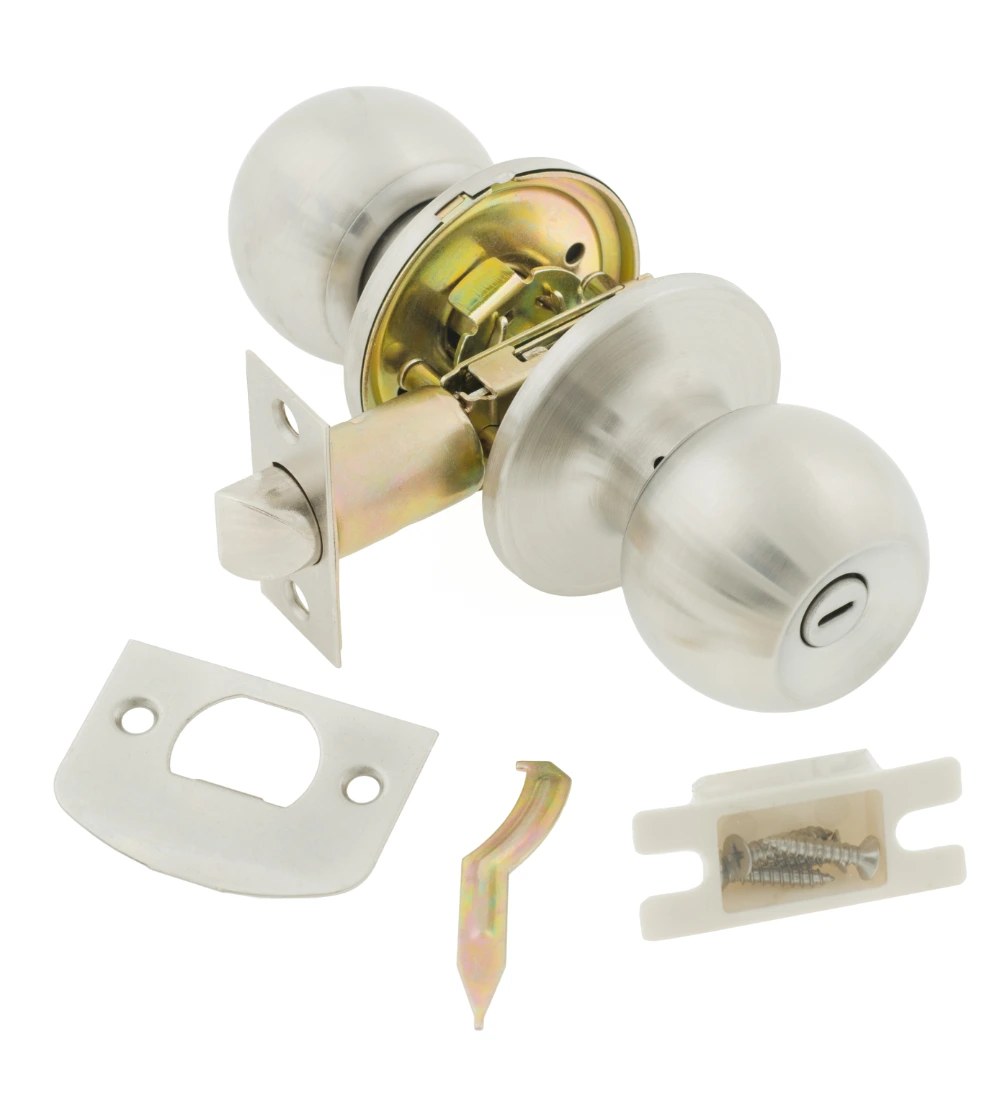
This is the single highest-value upgrade for storm security. Many homes come with strike plates held by short half-inch screws that bite only into the thin door jamb. Replacing those with 3-inch screws driven into the framing stud behind the jamb makes the strike plate dramatically harder to kick or blow in. It is inexpensive, takes minutes per door, and is the kind of detail we handle during any lock repair or reinforcement visit.
Secure sliding and French doors
Sliding glass doors and French doors are frequent failure points in high wind. Make sure the latching mechanisms engage firmly and consider adding a secondary security bar or charley bar on sliders. Check that the tracks are clean and the rollers roll freely — a slider that sticks is one you will be tempted to leave unlatched.
Garage doors: brace or upgrade
An honest note on scope: locksmiths handle locks, not garage door structure. But the garage door is the largest opening in most homes, and an older lightweight door can buckle inward under pressure, letting wind pressurize the house. If your door is visibly thin or rattles in strong gusts, talk to a garage door company about bracing kits or a wind-rated replacement before season starts. What we can do is make sure the garage door locks and manual release hardware are in working order.
Have one spare key secured off-site
Keep a spare house key with a trusted neighbor or relative — not under the mat. After a storm, power outages and debris can make getting locked out far more stressful than usual. If you lose all copies, a rekey gets you back to a known-good key set quickly.
What to Do When a Lock Seizes After a Storm
After heavy rain and wind, it is normal for locks to behave badly for a few days. Wind-driven rain forces moisture deep into mechanisms, debris works into keyways, and wooden doors swell beyond their normal summer state. The golden rule: do not force it.
A key that will not turn should get a shot of dry graphite lubricant and gentle patience — never a hard twist. Forcing a key in a debris-filled or corroded cylinder is the fastest way to snap it off, and then you are dealing with a broken key extraction on top of the original problem. If the lock still will not budge after lubrication, call a locksmith rather than escalating with pliers.
Once things dry out, inspect your exterior hardware for visible corrosion or new stiffness. Storm moisture accelerates the wear we describe in our guide to how Florida heat and humidity affect locks — a post-storm cleaning and lubrication round is cheap insurance against a lock that fails quietly weeks later.
Keeping Doors Secure During the Storm
Lock everything, even interior doors
Lock all exterior doors with their deadbolts during the storm — not just the knob locks. If you shelter in an interior room, keep that door closed and, if it has a lock, use it. Wind pressure changes as the storm passes can slam doors hard enough to damage latches.
Do not leave to buy supplies mid-storm
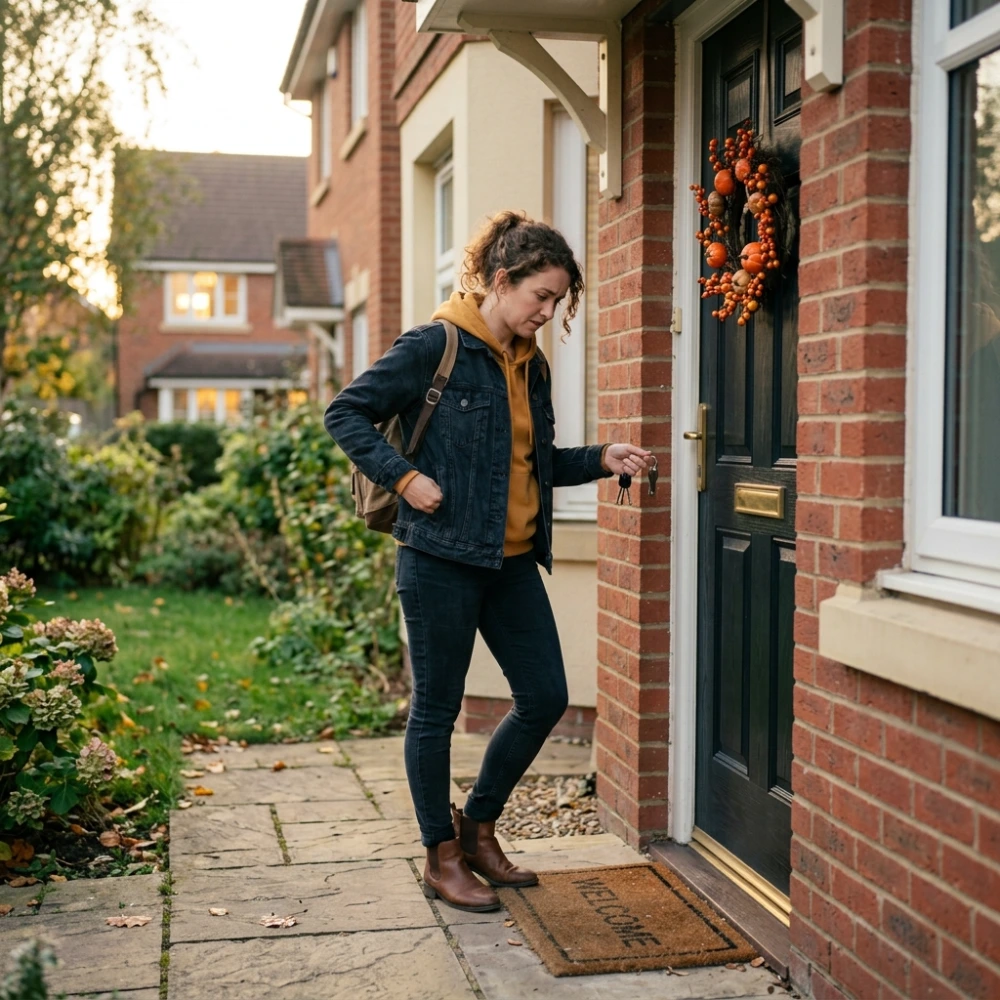
This is a lockout tip as much as a safety one: every year, people step out in the calm of the storm’s eye and get locked out when a door slams behind them. Keep your keys on your person, not on a counter, any time you open an exterior door during a storm.
If you get locked out during or after a storm
Call a professional rather than attempting to force a door — storm-swollen doors and wet mechanisms are exactly the conditions where DIY entry attempts cause expensive damage. Our emergency locksmith service runs around the clock, and we are set up to reach Lake Mary homes as soon as conditions allow safe travel.
Related Guides & Services
Storm prep is mostly prevention — but when something fails, here is where to turn:
- residential locksmith services in Lake Mary — the full range of home lock services
- lock repair — fix storm-worn locks before they fail on you
- deadbolt installation — make sure deadbolts throw fully before storm season
- 24/7 mobile locksmith — emergency help once it is safe to travel after a storm
Hurricane Door & Lock Questions
When should I start preparing my doors and locks for hurricane season?
Start in May, before hurricane season begins on June 1. That gives you time to fix misaligned deadbolts, reinforce strike plates, and service any sticking doors without the pressure of an approaching storm. Once a storm is forecast, the time for adjustments is over.
Does reinforcing the strike plate really make a difference?
Yes — it is one of the most cost-effective security upgrades there is. Factory strike plates are often held by short screws that only bite into the thin door jamb. Long screws anchored into the framing stud behind the jamb make the door far more resistant to being kicked or blown in.
My lock stopped working right after a storm. What happened?
Most likely moisture and debris forced into the mechanism, plus the wooden door swelling from all the rain. Try dry graphite lubricant and gentle patience first. If the key still will not turn, call a locksmith — forcing it risks snapping the key inside the cylinder.
Should I tape or board over my locks during a hurricane?
There is no need to tape your locks. Focus instead on making sure deadbolts throw fully and strike plates are secure. For sliding doors, a security bar in the track does far more good than anything applied to the lock itself.
Can a locksmith help with my garage door before a storm?
A locksmith handles the locks and release hardware on a garage door — making sure they operate smoothly and the door secures properly. Structural bracing or a wind-rated door replacement is a garage door company’s job, and it is worth arranging before season starts if your door is old or lightweight.
Is it safe to call a locksmith during a hurricane?
During the storm itself, stay sheltered — no service call is worth the risk. Once conditions allow safe travel, emergency locksmith services resume. Keep your keys on you whenever you open a door during the storm so you do not get locked out in dangerous conditions.
Questions About Your Locks?
Get your doors storm-ready before the season starts. The Lake Mary Locksmith reinforces deadbolts and strike plates, services storm-swollen doors, and handles emergency lockouts — day or night, rain or shine.
Available 24 hours a day
Licensed & insured
4300 W Lake Mary Blvd, Lake Mary, FL 32746